

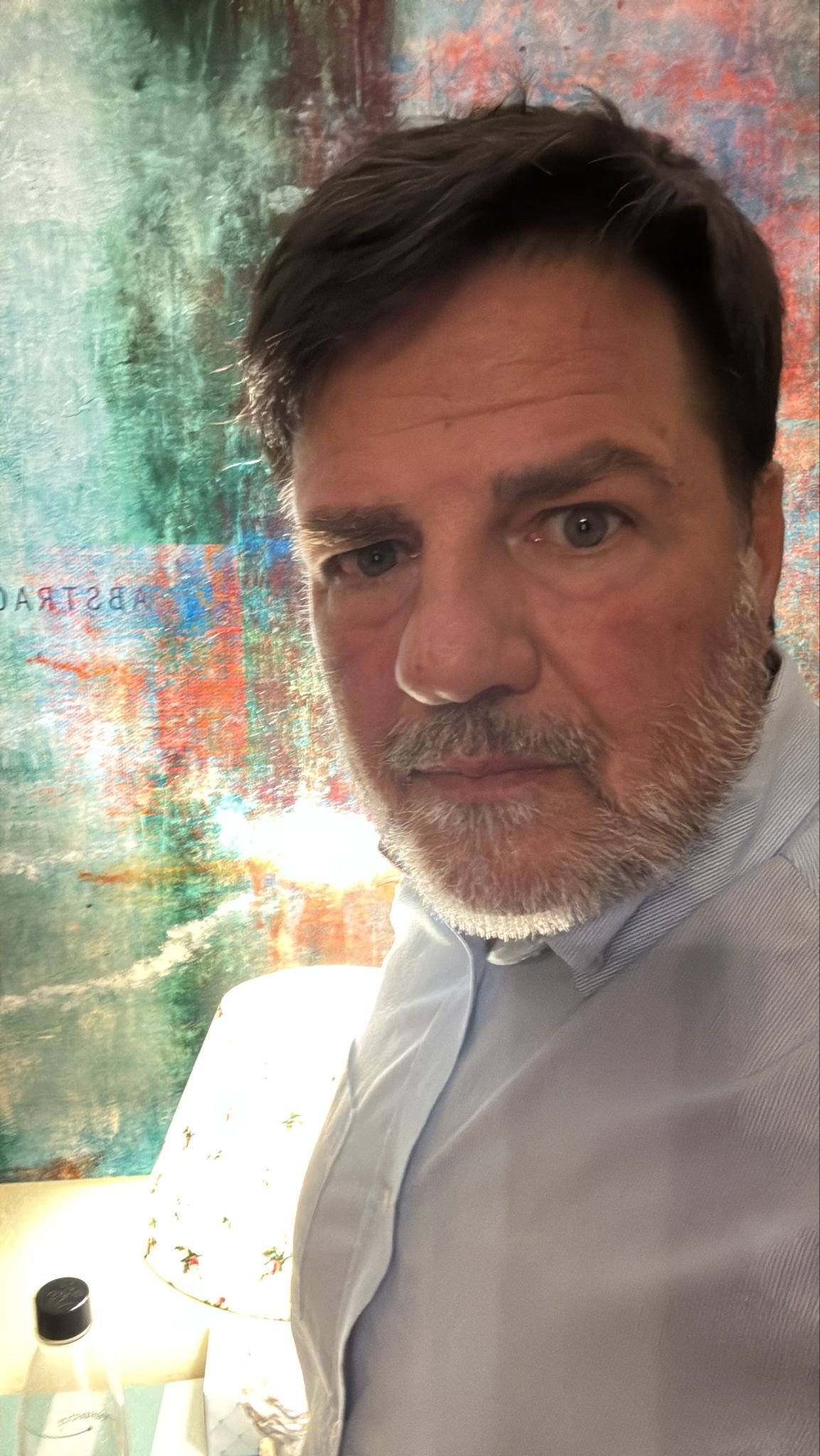
“Four hours, 150 photos, and still not enough,” remarks writer and art observer Fabrice Marcolini, attempting to capture the essence of a visit to the Clark Art Institute. Indeed, the depth and breadth of its permanent collection defy the constraints of time.
Origins of a Vision
The Clark Institute was founded by Sterling and Francine Clark, heirs to the Singer Sewing Machine fortune. From their Parisian base, the couple embarked on a lifelong mission to acquire art of the highest quality. Their passion gravitated toward the Barbizon School and French Impressionists, but their acquisitions extended well beyond. What began in the early 20th century as a private pursuit, often hidden away in warehouses and residences, was finally shared with the public in 1955 when the Clark opened its doors in Williamstown.
Expanding the Legacy
The founding collection was later enriched by significant gifts: more than 300 works of British art from the Manton Foundation, and, more recently, 331 rarities acquired by Aso Tavitian, a discerning collector with an eye for Old Masters. Together, these acquisitions form one of Massachusetts’ most compelling cultural destinations, uniting European tradition with American patronage.
The Italian Renaissance and Beyond
Highlights from the Italian Renaissance abound: Domenico Ghirlandaio, Pietro Vanucci, Bartolomeo Montagna, and Piero della Francesca, whose Madonnas and Childs speak across centuries. A luminous tondo attributed to the workshop of Botticelli adds grace, while Corneille de Lyon’s portrait of a gentleman, set against a vivid apple-green ground, carries a modern resonance—so much so that Marcolini draws a line to Kehinde Wiley, the contemporary artist celebrated for reimagining portraiture.
Masters of Emotion and Innovation
From Fragonard’s Portrait of a Warrior, with its startling three-dimensional presence, to Gauguin’s Young Bretonne in a Yellow Dress (1894), bridging French tradition and Polynesian influence, the collection is alive with moments of transition and rupture. Mary Cassatt’s pastel sketch of a child in a red hat captures both immediacy and intimacy, while Toulouse Lautrec’s depictions of Carmen Gaudin sometimes defiant, sometimes detached offer raw glimpses into fin-de-siècle Paris.
Degas and the Poetry of Movement
The Clark’s holdings of Edgar Degas are particularly noteworthy. His paintings and bronzes capture both the rigor and vulnerability of dancers: stretching, rehearsing, resting. The collection also reflects Sterling Clark’s personal fascination with horses, seen in Degas’ equestrian works, many acquired directly at the artist’s estate sale in 1918–19.
Unexpected Modernities
Marcolini points to Odilon Redon’s floral compositions, where shadowy figures emerge like ghosts amid bursts of color—a proto-modern perspective that still surprises. Similarly, Frederic Remington’s Indian Scout on Horseback, set in a stark winter landscape, possesses an uncanny immediacy. The muscular tension of his horses recalls the dynamism of Leonardo’s Battle of Anghiari, underscoring the timeless energy of motion.
A Living Collection
The Clark continues to grow. Recent acquisitions include a luminous pointillist canvas by Paul Signac, acquired in honor of Glenn Lowry, the longtime director of MoMA. The collection today counts 50–60 Impressionist and Fauvist masterworks, ensuring that the museum remains not only a repository of the past but also a living dialogue with modernity.
The Clark Institute is more than a museum it is a testament to the enduring power of private passion transformed into public treasure. As Fabrice Marcolini reminds us, no number of photographs or hours could ever exhaust the discovery it offers.
Artforce – 345 Sorauren Avenue – Toronto
Contact: info@artforce.com

